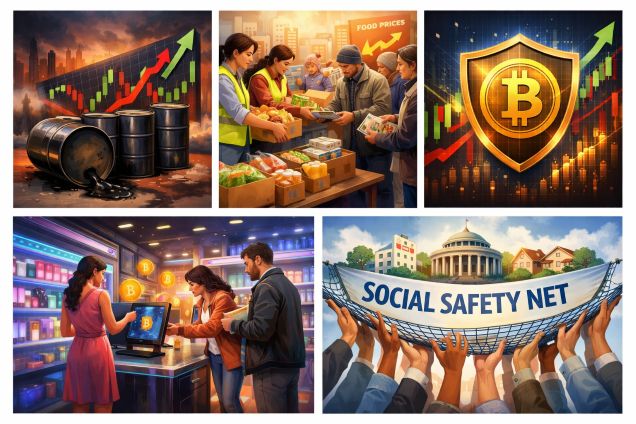
Rising oil prices have repeatedly increased inflation, raised transportation and food costs, and placed greater pressure on public finances. Recent geopolitical tensions have renewed concerns about energy market disruptions, prompting governments to reassess how they finance healthcare, housing assistance, and welfare programs while protecting vulnerable households from higher living expenses.
none often becomes the central challenge during these periods because policymakers must balance immediate social support with long-term fiscal stability. Research from the International Monetary Fund (IMF) shows that energy price shocks can weaken economic growth while increasing government spending needs. At the same time, the World Bank reports that inflation driven by higher fuel and food prices disproportionately affects lower-income families, creating greater demand for public assistance.
Why Energy Inflation Strains Social Programs
Higher oil prices affect nearly every sector of the economy. Fuel costs influence transportation, manufacturing, agriculture, and electricity generation in many countries. As businesses face higher operating expenses, consumers often experience rising prices for essential goods and services.
Studies published by the Organisation for Economic Co-operation and Development (OECD) indicate that inflation can reduce household purchasing power, especially for families with limited savings. Governments frequently respond by expanding healthcare subsidies, housing assistance, unemployment benefits, or food support. These measures help reduce financial hardship, although they also place additional pressure on national budgets.
How Governments Adjust Financing
When energy-related inflation persists, governments often revise spending priorities. Reports from the International Energy Agency (IEA) explain that some countries temporarily reduce fuel taxes or provide targeted energy subsidies while protecting funding for essential public services. Others redirect budget resources toward healthcare systems or emergency income support.
The United Nations Development Programme (UNDP) notes that targeted assistance generally delivers better long-term outcomes than broad subsidies because it directs limited public resources toward households facing the greatest financial hardship. Digital payment systems and improved data collection have also helped governments distribute benefits more efficiently while reducing administrative costs.
The Growing Role of Public-Private Partnerships
Public-private partnerships are becoming an increasingly important financing model during periods of economic uncertainty. These arrangements allow governments to collaborate with private investors, nonprofit organizations, and development institutions to fund hospitals, affordable housing projects, and essential infrastructure.
The World Economic Forum highlights that well-designed partnerships can mobilize additional capital while sharing financial risks across multiple stakeholders. Meanwhile, financing from organizations such as the European Investment Bank and regional development banks has supported healthcare facilities, clean energy projects, and social infrastructure that strengthen long-term economic resilience.
Building More Resilient Safety Nets
Global conflicts and volatile energy markets are likely to remain recurring economic challenges. Experts from the United Nations emphasize that resilient social protection systems require sustainable funding, transparent governance, and the flexibility to respond quickly when external shocks occur.
Looking ahead, governments will likely continue combining traditional public funding with innovative financing approaches to maintain essential services. Strong partnerships, targeted assistance, and responsible fiscal planning can help ensure healthcare, housing, and welfare programs remain effective even when rising energy prices place additional strain on public resources and household budgets.